A calm roadmap toward sustainable development
This report gathers public data and observations from European bodies on the ecological transition in Spain. Its purpose is educational: to help citizens understand the progress made in renewable energy and responsible agriculture.
Global warming and sustainable development
Global warming is one of the most relevant challenges of our generation. Average temperatures on the Iberian Peninsula have risen steadily over recent decades, according to the National Geographic Institute and the European Environment Agency. Experts agree that balanced public policy, ecosystem protection and environmental education are essential tools to slow down this process. Civil society, public administrations and the scientific community work together on outreach programmes that bring knowledge to households, schools and small rural municipalities, with the aim of strengthening a culture of respect for the natural environment.

The role of Spain in renewable energy
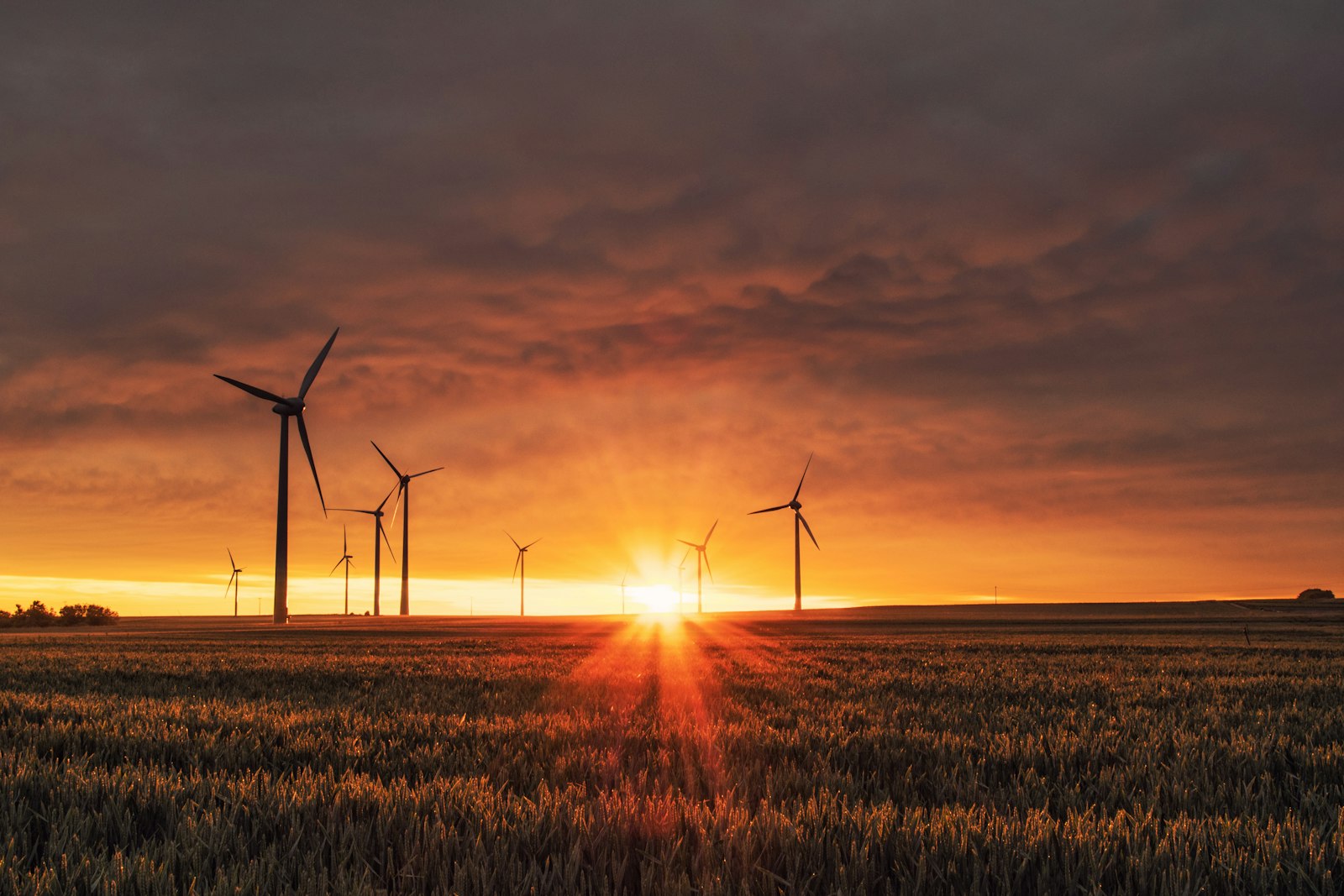
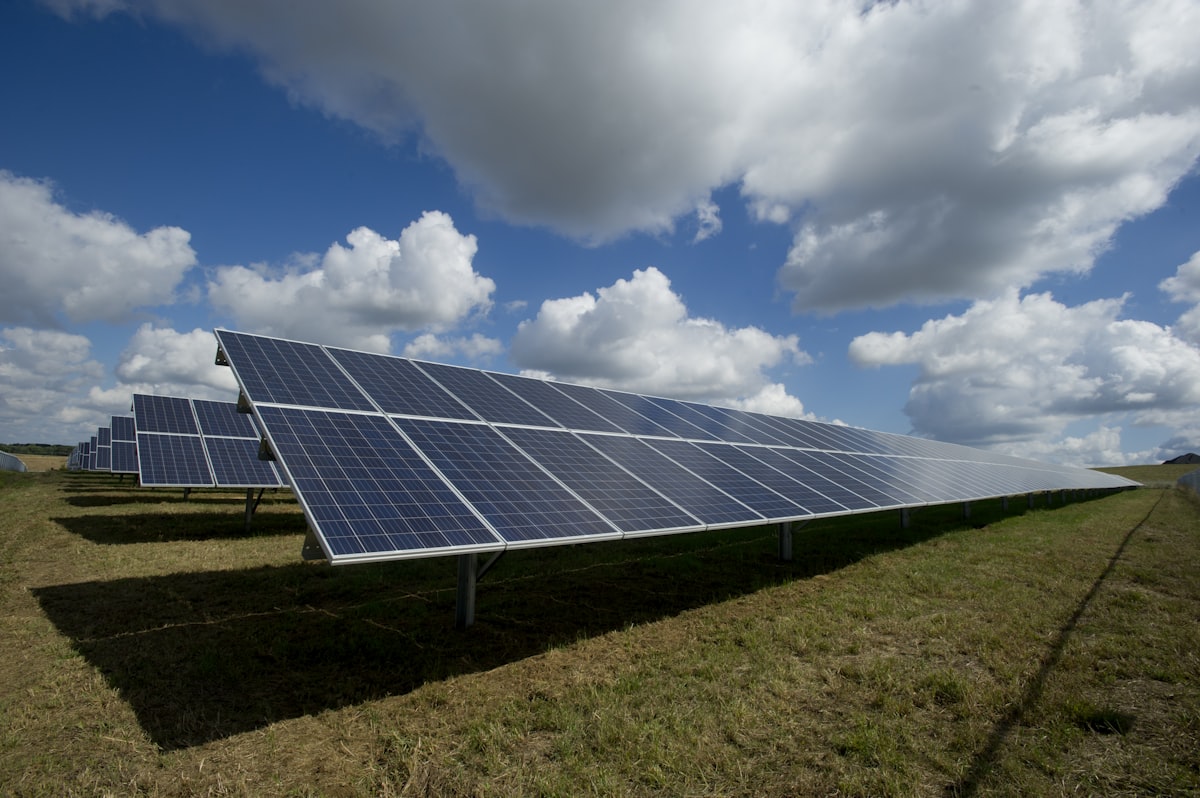
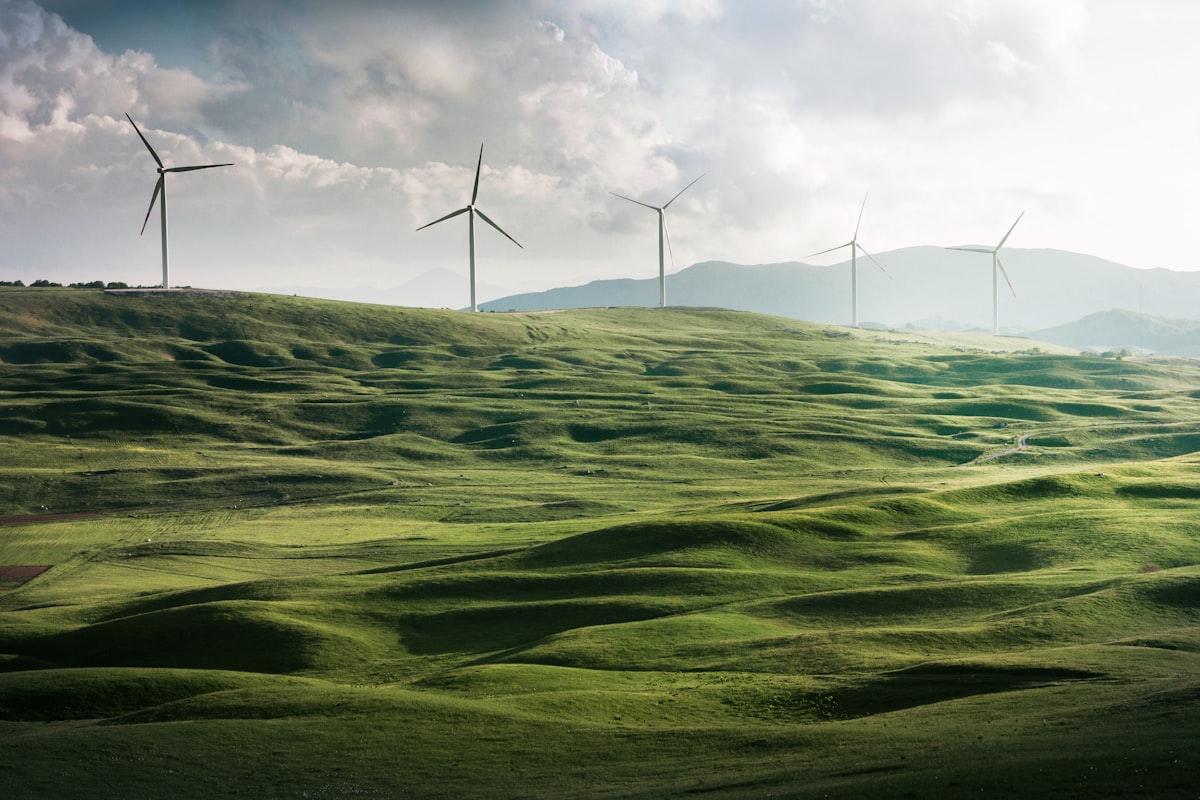
Spain holds a prominent position in the European continent thanks to its climate, its terrain and its agricultural tradition. Solar radiation across the central plateau and the southern peninsula allows photovoltaic installations to operate with high performance for much of the year. Atlantic winds in Galicia and Mediterranean winds along the Catalan coast drive wind farms that contribute clean electricity to the common grid. Spanish energy companies, in cooperation with local cooperatives and public universities, focus on the protection of biodiversity and on the landscape integration of new infrastructure. The Green Low Countries vision inspires planners and technicians to seek harmonious solutions among territory, community and future.
The future of agriculture: Agriculture 5.0
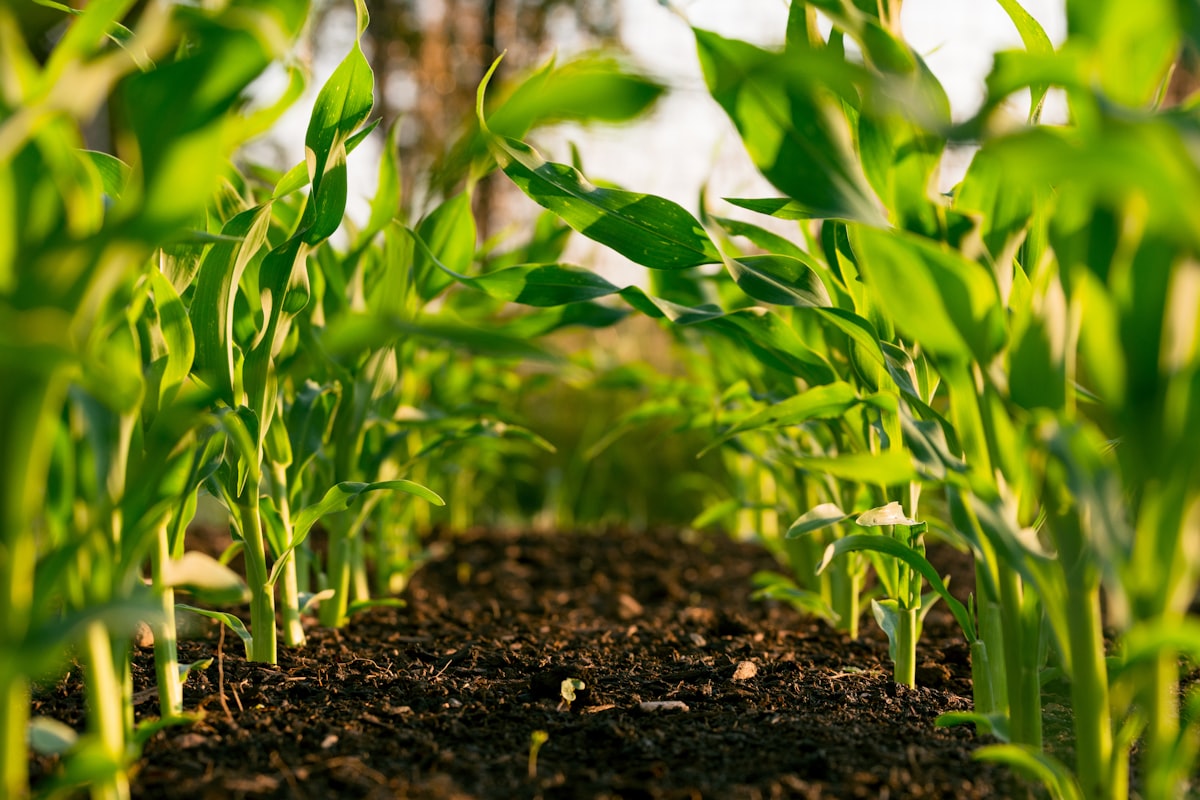
Agriculture 5.0 brings together traditional knowledge and precision technologies. Soil moisture sensors, observation satellites and open data models help farmers optimise water use, reduce fertilisers and protect the soil. In regions such as Castilla-La Mancha, Andalusia, Aragon and Extremadura, cooperatives adopt regenerative practices like crop rotation, cover crops and agroforestry. These measures support carbon capture and the conservation of native varieties. The protection of aquifers and the rational management of water resources are priorities shared with the agricultural extension services, which provide free training to professionals. The future of food relies on cooperation, education and respect for nature's own rhythm.